


A new report by the Northern Ireland Development Group makes the case for 'total transformation' of loyalist paramilitary groups. It raises important questions worth considering in more detail.
The Northern Ireland Development Group (NIDG) have issued a new report in their ‘Reframing the Debate’ series looking at creative ways to chivvy along loyalist paramilitary groups in their (thus far) elusive quest for ‘transformation’.
The report, Completing Loyalist Paramilitary Transformation, is to be welcomed.
Anything that raises the level of debate in the search for practical ways to bring about the total disbandment of loyalist paramilitary groups is a worthy endeavour and should be applauded.
However, there are several questions raised by the report, which are not sufficiently answered. I will try to deal with each of them in this short article.
First, the NIDG outline a considered case for greater cooperation between political unionism, the British government and loyalist groups in the dismantling of paramilitary structures. They recommend this ‘concentrated process of engagement’ begin in 2028 to coincide with the 30th anniversary of the Belfast/Good Friday Agreement.
Most people reading this might be asking themselves the same question: Surely loyalist paramilitaries have had enough time to transform? And besides, isn’t this idea of collaboration something they’ve been doing for years, even if it is largely on the basis of direct and indirect funding of community groups associated with paramilitaries?
Helpfully, the NIDG seem to anticipate this kind of response and make the case that whatever passed for collaboration in the past was all rather ad hoc and uncoordinated. They suggest we need more of a ‘structured and concentrated approach’ that draws on the so-called Declaration of Transformation (DoT) announced by the main loyalist paramilitary groupings in 2018.
As I see it, the difficulty here is that all three prospective partners see the problems differently, and, significantly, have different ideas when it comes to offering solutions.
Perhaps more importantly the British Government holds firm to a policy assumption that paramilitary groups ought to transition entirely of their own volition.
And political unionism has thus far not really engaged as a corporate entity with the issue, even if individual members of the two main unionist parties have done so. They don’t see it as their problem.
The second issue is with ongoing paramilitary-related crime. It is widely believed that paramilitary leaders are complicit with a range of illegal activities and, therefore, deeply wedded to criminality. However, the NIDG do attempt to further delineate between ‘good paramilitaries’ and ‘bad paramilitaries’. The problem here is, as I have often suggested, what if the good and the bad - and the ugly for that matter - are one and the same? It is simply not good enough that paramilitaries dismiss this issue out of hand by crowing about “intelligence is not evidence” and this is “a job for the police”, while rhetorically asking the rest of us to believe them when they say “loyalists cannot be criminals” when there is ample evidence placed before the courts to the contrary.
During the Troubles it was easy to spot those motivated by profiteering over loyalist ideology. Jimmy Craig was the best known example but there were many more. Conversely, it was possible to identify those who were ideologically motivated and who seemed committed to military activity only in lieu of political solutions, with John McMichael being the best known. Indeed, even Andy Tyrie presented himself as a vigilante leader who believed in loyalist politics and was prepared to direct violence when he thought it advanced the UDA as a corporate body. I accept that there was certainly cross-over between the these three types of loyalist paramilitaries.
That being said, the argument I make in my forthcoming book on the UDA, Enemies Within, is that a new kind of loyalist paramilitary has emerged since the Belfast/Good Friday Agreement, one who has DNA common to all these types of loyalist paramilitary. Therefore, it is much more difficult to disentangle how they have become involved in paramilitary activity, and, crucially, why they’ve remained in these organisational structures.
You cannot easily send this post-Agreement loyalist paramilitary to political education or ‘civics’ classes hoping that is enough to ‘end the harm’ they are causing to their communities.
Finally, there is what I call the ‘Sunk Cost Fallacy’, by which I mean the British Government has shown itself reluctant to deal with loyalist paramilitaries in any other way than what it has been doing for over over two decades now.
Summed up succinctly, it is as follows: Loyalist paramilitary leaderships, in whole or part, are committed to transforming their organisations but they do also have members who are heavily involved in criminal activity.
It is widely understood that the Paramilitary Crime Taskforce, which concentrates on several groups across six areas, is an essential state-based law enforcement tool for applying coercive pressure on the criminal element.
What we rarely hear talked about is how the state ‘engages’ with representatives of paramilitary groups in a bid to keep the ‘politicos’ onboard. With the benefit of hindsight we know this has been ongoing both covertly and overtly for over two generations. Indeed, successive IRC reports indicate significant funding has been directed towards the latter objective in a two track ‘carrot and stick’ approach.
The major issue with this fallacy is, as I have already noted in my second point, it is based on a false dichotomy. There may well be ‘good’ paramilitaries but, in several cases, they are one and the same as the ‘bad’ and plain old ‘ugly’ paramilitaries.
Notwithstanding these issues, the NIDG do raise good questions like:
1. What would the metrics for ‘total transformation’ look like?
2. In advocating for de-proscription, how does this sit alongside Legacy legislation concerning terrorist acts committed by paramilitaries in the past?
3. How can loyalists be expected to move towards what they call a progressive future / common good when the middle management and foot soldiers of paramilitary groups have become deeply implicated in criminality and in (non progressive) racial violence directed towards migrant communities?
To return to the NIDG recommendation of closer collaboration, there is an urgent need for all potential partners to rethink their understanding of the problems ensuring the persistence of loyalist paramilitary activity.
I look forward to the NIDG explaining how the British Government (or the British and Irish Governments jointly) are going to deliver what they want in the context of being unable to shift from a security to a development mindset.
This is particularly urgent in the afterglow of serious race-based disorder which has all the signs of being a perennial security and developmental challenge.
In this at least Northern Ireland is no longer a ‘place apart’.
All modern European states are reeling from the shocks of complex challenges such as unrelenting illegal immigration, a continuing nose dive in the standard of living and massive geopolitical shifts beyond the borders of the EU.
I commend the authors of the report. It is clear that we need to urgently move towards taking practical steps to grasp the nettle of paramilitary transformation once and for all.
The Northern Ireland Development Group (NIDG) have issued a new report in their ‘Reframing the Debate’ series looking at creative ways to chivvy along loyalist paramilitary groups in their (thus far) elusive quest for ‘transformation’.
The report, Completing Loyalist Paramilitary Transformation, is to be welcomed.
Anything that raises the level of debate in the search for practical ways to bring about the total disbandment of loyalist paramilitary groups is a worthy endeavour and should be applauded.
However, there are several questions raised by the report, which are not sufficiently answered. I will try to deal with each of them in this short article.
First, the NIDG outline a considered case for greater cooperation between political unionism, the British government and loyalist groups in the dismantling of paramilitary structures. They recommend this ‘concentrated process of engagement’ begin in 2028 to coincide with the 30th anniversary of the Belfast/Good Friday Agreement.
Most people reading this might be asking themselves the same question: Surely loyalist paramilitaries have had enough time to transform? And besides, isn’t this idea of collaboration something they’ve been doing for years, even if it is largely on the basis of direct and indirect funding of community groups associated with paramilitaries?
Helpfully, the NIDG seem to anticipate this kind of response and make the case that whatever passed for collaboration in the past was all rather ad hoc and uncoordinated. They suggest we need more of a ‘structured and concentrated approach’ that draws on the so-called Declaration of Transformation (DoT) announced by the main loyalist paramilitary groupings in 2018.
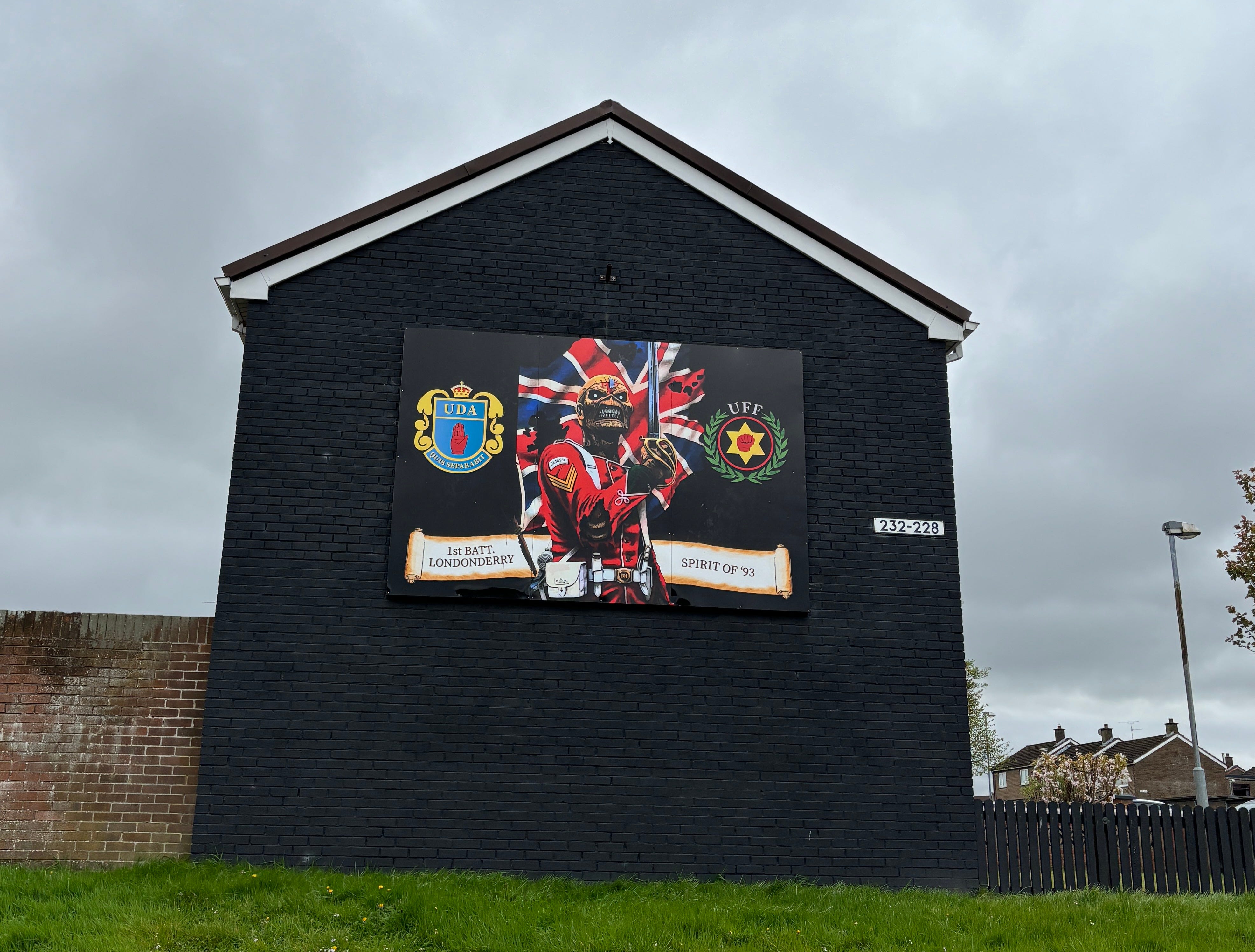
 |
| Some loyalist groups like the Londonderry and North Antrim UDA appear to be excluded from central funding initiatives despite being nominally part of the LCC. This seems contradictory when using the unhelpful dichotomy of ‘good’ and ‘bad’ paramilitaries. |
As I see it, the difficulty here is that all three prospective partners see the problems differently, and, significantly, have different ideas when it comes to offering solutions.
Perhaps more importantly the British Government holds firm to a policy assumption that paramilitary groups ought to transition entirely of their own volition.
And political unionism has thus far not really engaged as a corporate entity with the issue, even if individual members of the two main unionist parties have done so. They don’t see it as their problem.
The second issue is with ongoing paramilitary-related crime. It is widely believed that paramilitary leaders are complicit with a range of illegal activities and, therefore, deeply wedded to criminality. However, the NIDG do attempt to further delineate between ‘good paramilitaries’ and ‘bad paramilitaries’. The problem here is, as I have often suggested, what if the good and the bad - and the ugly for that matter - are one and the same? It is simply not good enough that paramilitaries dismiss this issue out of hand by crowing about “intelligence is not evidence” and this is “a job for the police”, while rhetorically asking the rest of us to believe them when they say “loyalists cannot be criminals” when there is ample evidence placed before the courts to the contrary.
During the Troubles it was easy to spot those motivated by profiteering over loyalist ideology. Jimmy Craig was the best known example but there were many more. Conversely, it was possible to identify those who were ideologically motivated and who seemed committed to military activity only in lieu of political solutions, with John McMichael being the best known. Indeed, even Andy Tyrie presented himself as a vigilante leader who believed in loyalist politics and was prepared to direct violence when he thought it advanced the UDA as a corporate body. I accept that there was certainly cross-over between the these three types of loyalist paramilitaries.
 |
| A mural commemorating Stevie McKeag on the Lower Shankill. Most gunmen are either dead or left the scene years ago. Who is left to transform? |
That being said, the argument I make in my forthcoming book on the UDA, Enemies Within, is that a new kind of loyalist paramilitary has emerged since the Belfast/Good Friday Agreement, one who has DNA common to all these types of loyalist paramilitary. Therefore, it is much more difficult to disentangle how they have become involved in paramilitary activity, and, crucially, why they’ve remained in these organisational structures.
You cannot easily send this post-Agreement loyalist paramilitary to political education or ‘civics’ classes hoping that is enough to ‘end the harm’ they are causing to their communities.
Finally, there is what I call the ‘Sunk Cost Fallacy’, by which I mean the British Government has shown itself reluctant to deal with loyalist paramilitaries in any other way than what it has been doing for over over two decades now.
Summed up succinctly, it is as follows: Loyalist paramilitary leaderships, in whole or part, are committed to transforming their organisations but they do also have members who are heavily involved in criminal activity.
It is widely understood that the Paramilitary Crime Taskforce, which concentrates on several groups across six areas, is an essential state-based law enforcement tool for applying coercive pressure on the criminal element.
What we rarely hear talked about is how the state ‘engages’ with representatives of paramilitary groups in a bid to keep the ‘politicos’ onboard. With the benefit of hindsight we know this has been ongoing both covertly and overtly for over two generations. Indeed, successive IRC reports indicate significant funding has been directed towards the latter objective in a two track ‘carrot and stick’ approach.
The major issue with this fallacy is, as I have already noted in my second point, it is based on a false dichotomy. There may well be ‘good’ paramilitaries but, in several cases, they are one and the same as the ‘bad’ and plain old ‘ugly’ paramilitaries.
 |
| The East Belfast UVF is often seen as an example of a ‘bad’ paramilitary faction when there is evidence of bad and ugly across all groups. |
1. What would the metrics for ‘total transformation’ look like?
2. In advocating for de-proscription, how does this sit alongside Legacy legislation concerning terrorist acts committed by paramilitaries in the past?
3. How can loyalists be expected to move towards what they call a progressive future / common good when the middle management and foot soldiers of paramilitary groups have become deeply implicated in criminality and in (non progressive) racial violence directed towards migrant communities?
To return to the NIDG recommendation of closer collaboration, there is an urgent need for all potential partners to rethink their understanding of the problems ensuring the persistence of loyalist paramilitary activity.
I look forward to the NIDG explaining how the British Government (or the British and Irish Governments jointly) are going to deliver what they want in the context of being unable to shift from a security to a development mindset.
This is particularly urgent in the afterglow of serious race-based disorder which has all the signs of being a perennial security and developmental challenge.
In this at least Northern Ireland is no longer a ‘place apart’.
All modern European states are reeling from the shocks of complex challenges such as unrelenting illegal immigration, a continuing nose dive in the standard of living and massive geopolitical shifts beyond the borders of the EU.
I commend the authors of the report. It is clear that we need to urgently move towards taking practical steps to grasp the nettle of paramilitary transformation once and for all.
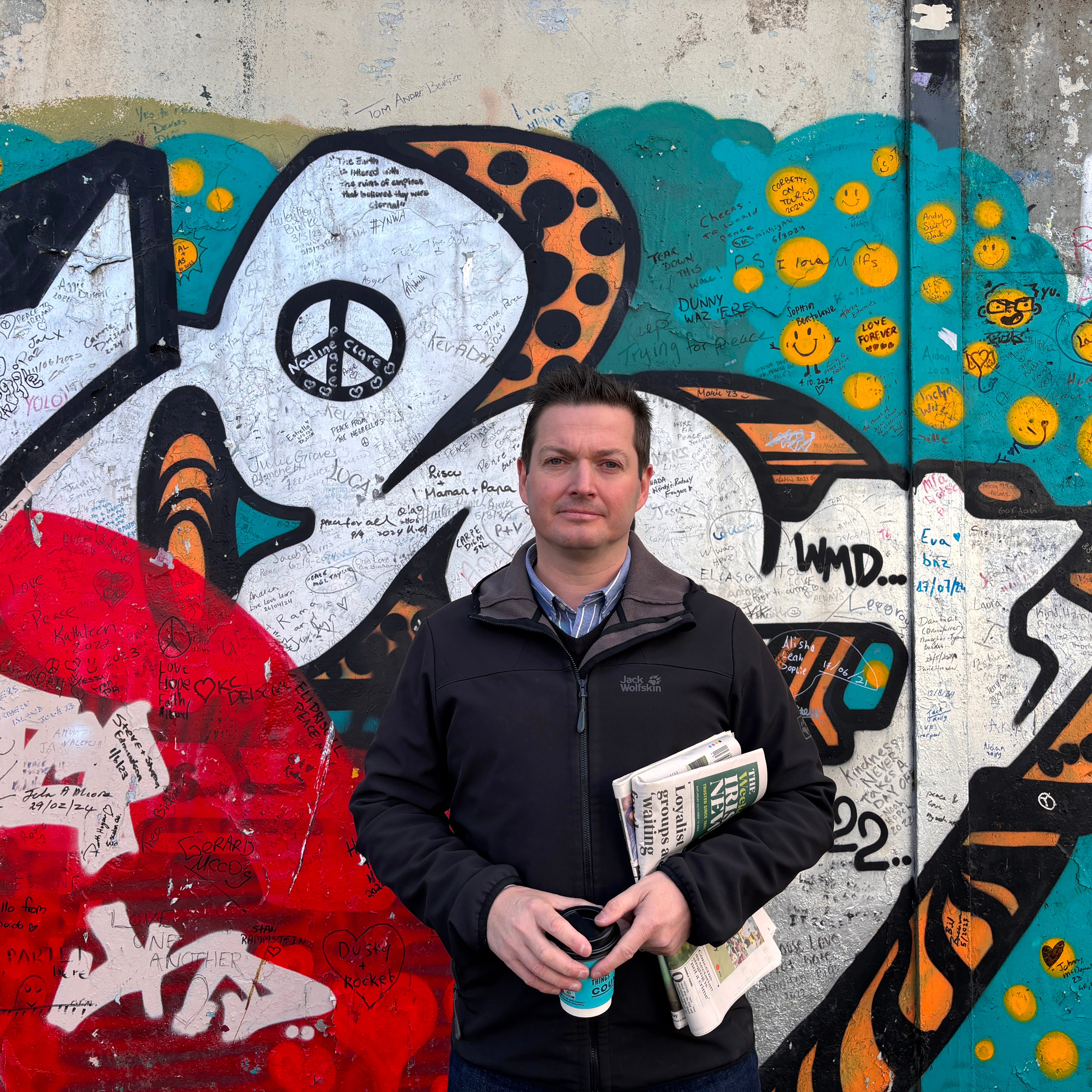 |
| Aaron Edwards is the author of critically acclaimed books, UVF: Behind the Mask and Agents of Influence: Britain’s Secret Intelligence War Against the IRA. His next book, Enemies Within, on the use of secret agents inside the UDA/UFF, will be published by Merrion Press in 2026. |



No comments