Gearóid Ó Loingsigh ☭ writing in Substack on 2-February-2026.

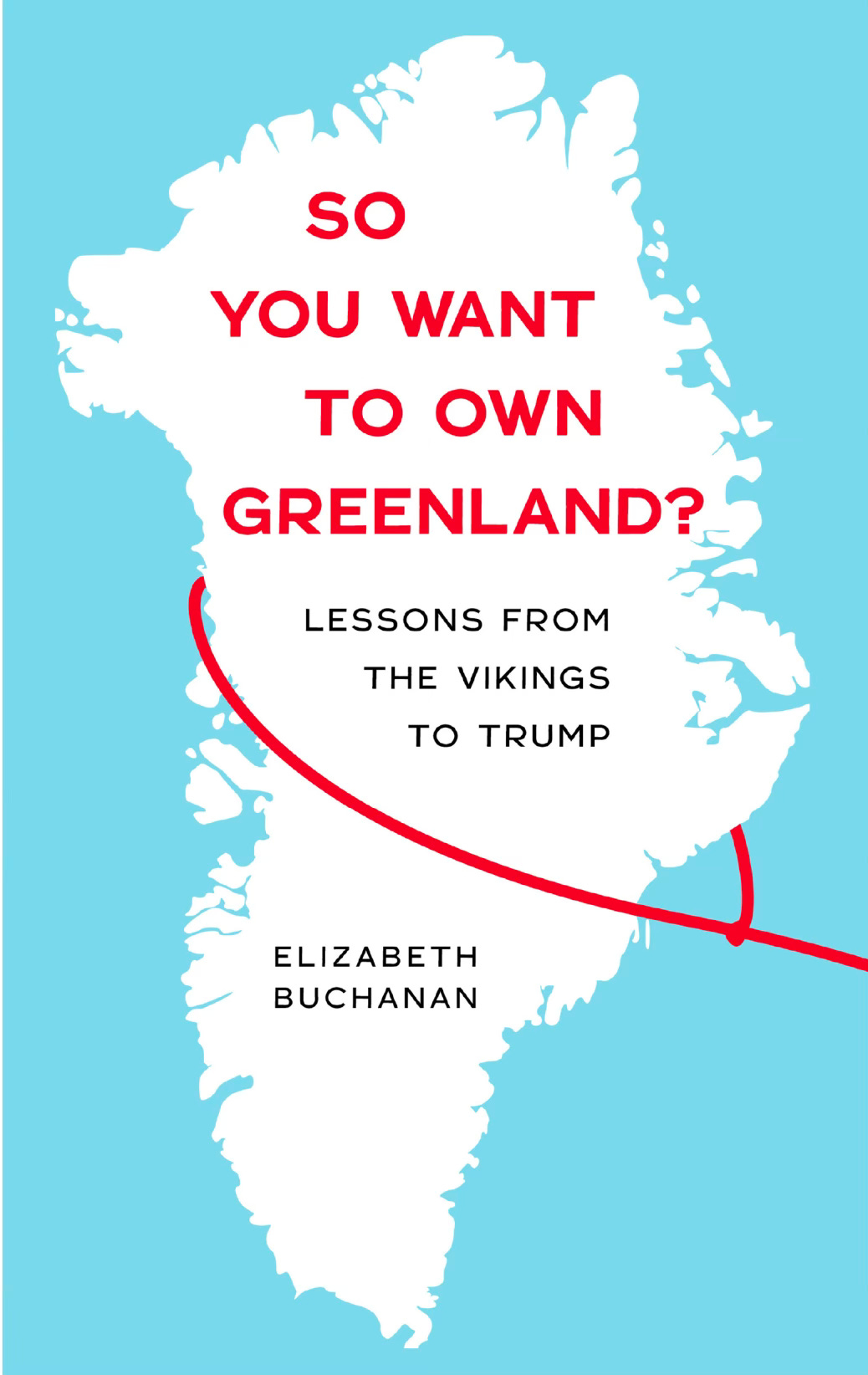
A review: So you want to own Greenland?

There is little, if anything at all about Trump that is new or original. He is a boor, an uncultured, uncouth thug, a man given to bouts of verbal incontinence and increasingly actual incontinence. He is a spoilt rich brat, an adult child in a nappy and more. Most of his personal characteristics were not readily on display in public with his predecessors. He may have some originality in that, though not nearly as much as is claimed. However, when it comes to politics, he is decidedly unoriginal. He says the quiet part out loud, but there is a consistency and continuity in US presidencies that cuts across party lines and the individuals concerned. Greenland is not an exception.

The world breathed a sigh of relief when Trump did not invade Greenland. But we may yet have to take in another deep breath in the coming months, as Trump in his unpredictable style may yet once again turn to threats of invasion. So, it would be handy to have some knowledge about the country. Elizabeth Buchanan has done us no small favour in that regard, though her book So You Want to Own Greenland? Lessons from the Vikings to Trump is more about the attempts by outsiders to lay claim to it than a history or analysis of local politics. As she points out:

Subject matter expertise on Greenlandic domestic politics is not easily found. Unpacking the nuance of Greenland’s local narrative and components of its strategic identity does not lend itself to short news stories or tantalising clickbait tales.

Interest in Greenland has been around for a long time, ever since Erik the Red conjured up the name in what has to be one of the great PR and marketing cons of all time in order to lure the unsuspecting to its cold barren shores. His experiment failed and as with the rest of the American continent, a religious fanatic from Denmark (not Norway) sailed there in 1721 in search of his lost Viking brethren to convert them. He didn’t find them, but he and his successors made great headway with the local Innuit population.

Buchanan takes us from then through the various claims and attempts to control Greenland. US interest in it is not new. Around the same time that the US purchased Alaska they expressed an interest in buying it. It was not for sale, though Denmark would eventually sell another island to the US: Epstein Island. As is the situation now, it was international affairs that placed Greenland at the centre of disputes. It played a key role in WWII. Its location was very useful in terms of weather forecasts, which turned out to be important for the war effort. It sounds logical, but this was new information for me at least, and it also saw the Nazis set up two covert weather stations there. Its mineral resources, as she points out were also important. Nobody waited for global warming to access the cryolite, which was a key element in the smelting process for aluminium.

It is WWII that sparks a real interest in the area. It was seen as a key component of Western interests during the cold war. Some of what Buchanan explains in the book, is the stuff of Hollywood films. James Bond, eat your heart out. It wasn’t in a tropical climate and the volcano did not open up to reveal a death ray below the fake inner crater as in You Only Live Twice. But the US did actually build a small secret city under Greenland.

Construction commenced on the underground city in June 1959 and concluded in October 1960. Upon completion, 26 tunnels had been carved beneath the Greenlandic icesheet. Camp Century was so large it incorporated over two miles of tunnels. Inside the city of ice were enviable living quarters with plenty of hot water showers, an industrial kitchen, a hospital, a chapel, and a barbershop. This US military outpost beneath the ice was home to some 200 people at its peak.

Yep, Ian Fleming was clearly lacking in imagination when it came to devising scenarios of secret bunkers from which criminal masterminds would plot world domination. The US and reality were always ahead of the game in that regard.

It also flew nuclear weapons through their airspace and even housed them there, without telling the Danish, of course. Though when one of the planes crash landed, it became embarrassingly public. Trump just does the quiet part out loud. Why secretly do anything when you can bully your way into publicly doing it?

Trump thinks he can just buy it. But Greenlanders may not want to be bought. They currently rely heavily on Denmark for social security, health and education and their attitudes to independence are somewhat contradictory as is pointed out. It is not the case that Denmark is a benevolent power. It is not. It carried out programmes that would be familiar to any native people around the world: some of the children were taken to Denmark to destroy their culture and turn them into model Greenlanders. And women of fertile age were fitted with intrauterine contraceptive devices, at one stage, according to the author accounting for half the women of fertile age in the country. Of course, Trump could try and champion women and indigenous rights. He remembers women are people when they are in Iran or somewhere else he would like to invade. But US policy on forced sterilisation or contraception is not good. It was the first country in the world to introduce such laws and applied them to the poor, the mentally disabled, blacks, Latinas and native Americans. Forced sterilisation laws still exist in many states and only two have outright bans on it.

We may get some PR from Trump on this or other issues, but the real concern is the mineral wealth, though it may be very difficult to get at for some time to come, and the military angle. The flat earthers may look at a map and wonder what the military fuss is all about, but take a look at a globe, Greenland is nicely snuggled in between Canada and the North Pole and its airspace is the shortest missile route to Moscow or Washington, depending on your perspective.

Elizabeth Buchanan has given us a timely overview of foreign attempts to control the destiny of Greenland and the issues at stake between the US, not just Trump nor even just the Republicans, and Denmark. Lots of powers have expressed an interest in the place at one point in time and they all want a slice of the cake, either the one they nominally have (NATO, EU, Denmark) or the one they think they should have (the US). And as she says, China and Russia have also got an interest in the area, though I personally doubt they would want to invade. China has won over many places without resorting to bully boy tactics.

For the weighty topic that it is, the book is relatively short, at just 208 pages and is light and readable whilst a very informative overview of the history and also many of the issues at play in Trump’s dangerous quest.

⏩ Gearóid Ó Loingsigh is a political and human rights activist with extensive experience in Latin America.

Owning Greenland 🪶 Everyone Wants Their Slice

Gearóid Ó Loingsigh ☭ writing in Substack on 2-February-2026.

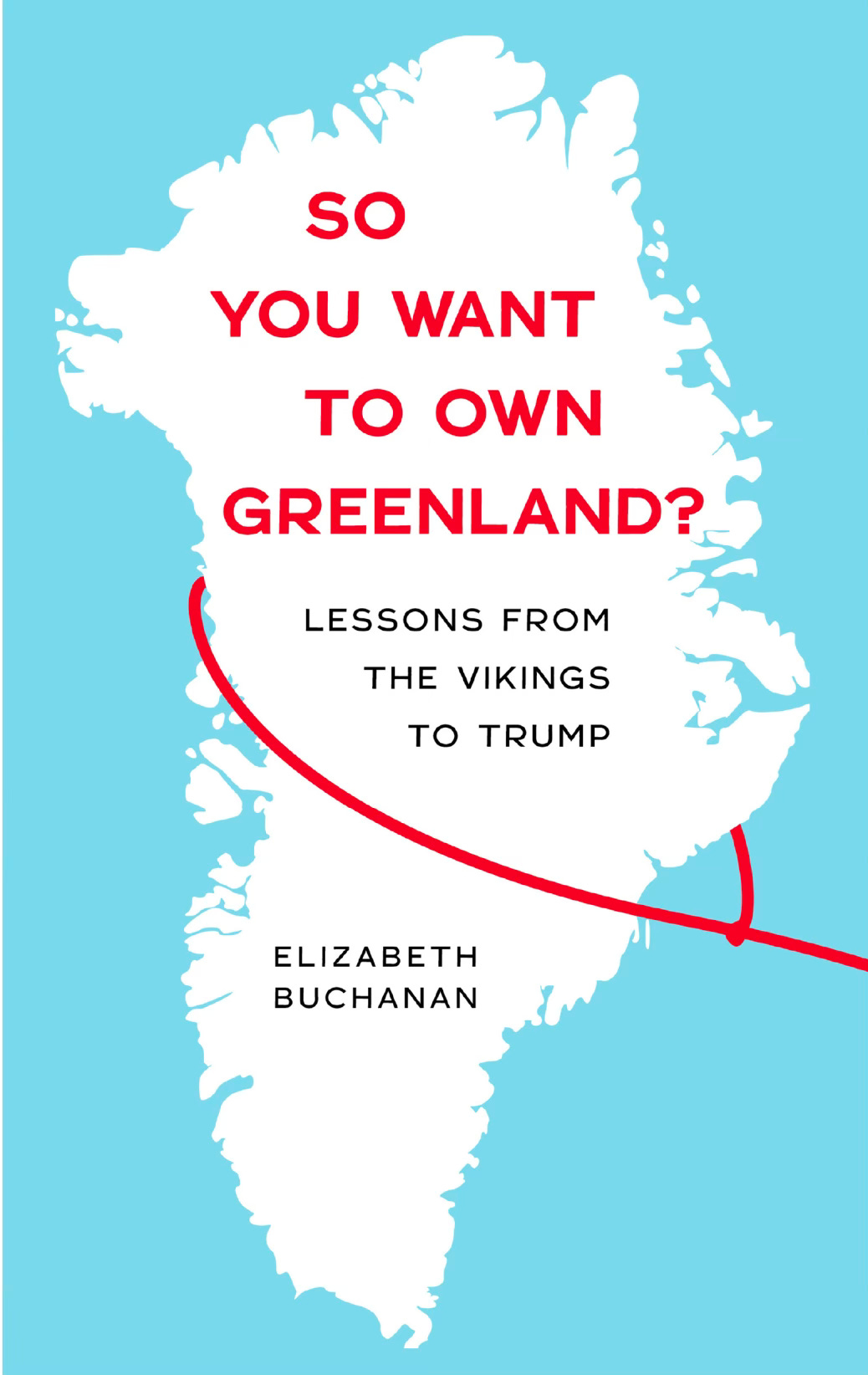
A review: So you want to own Greenland?

There is little, if anything at all about Trump that is new or original. He is a boor, an uncultured, uncouth thug, a man given to bouts of verbal incontinence and increasingly actual incontinence. He is a spoilt rich brat, an adult child in a nappy and more. Most of his personal characteristics were not readily on display in public with his predecessors. He may have some originality in that, though not nearly as much as is claimed. However, when it comes to politics, he is decidedly unoriginal. He says the quiet part out loud, but there is a consistency and continuity in US presidencies that cuts across party lines and the individuals concerned. Greenland is not an exception.

The world breathed a sigh of relief when Trump did not invade Greenland. But we may yet have to take in another deep breath in the coming months, as Trump in his unpredictable style may yet once again turn to threats of invasion. So, it would be handy to have some knowledge about the country. Elizabeth Buchanan has done us no small favour in that regard, though her book So You Want to Own Greenland? Lessons from the Vikings to Trump is more about the attempts by outsiders to lay claim to it than a history or analysis of local politics. As she points out:

Subject matter expertise on Greenlandic domestic politics is not easily found. Unpacking the nuance of Greenland’s local narrative and components of its strategic identity does not lend itself to short news stories or tantalising clickbait tales.

Interest in Greenland has been around for a long time, ever since Erik the Red conjured up the name in what has to be one of the great PR and marketing cons of all time in order to lure the unsuspecting to its cold barren shores. His experiment failed and as with the rest of the American continent, a religious fanatic from Denmark (not Norway) sailed there in 1721 in search of his lost Viking brethren to convert them. He didn’t find them, but he and his successors made great headway with the local Innuit population.

Buchanan takes us from then through the various claims and attempts to control Greenland. US interest in it is not new. Around the same time that the US purchased Alaska they expressed an interest in buying it. It was not for sale, though Denmark would eventually sell another island to the US: Epstein Island. As is the situation now, it was international affairs that placed Greenland at the centre of disputes. It played a key role in WWII. Its location was very useful in terms of weather forecasts, which turned out to be important for the war effort. It sounds logical, but this was new information for me at least, and it also saw the Nazis set up two covert weather stations there. Its mineral resources, as she points out were also important. Nobody waited for global warming to access the cryolite, which was a key element in the smelting process for aluminium.

It is WWII that sparks a real interest in the area. It was seen as a key component of Western interests during the cold war. Some of what Buchanan explains in the book, is the stuff of Hollywood films. James Bond, eat your heart out. It wasn’t in a tropical climate and the volcano did not open up to reveal a death ray below the fake inner crater as in You Only Live Twice. But the US did actually build a small secret city under Greenland.

Construction commenced on the underground city in June 1959 and concluded in October 1960. Upon completion, 26 tunnels had been carved beneath the Greenlandic icesheet. Camp Century was so large it incorporated over two miles of tunnels. Inside the city of ice were enviable living quarters with plenty of hot water showers, an industrial kitchen, a hospital, a chapel, and a barbershop. This US military outpost beneath the ice was home to some 200 people at its peak.

Yep, Ian Fleming was clearly lacking in imagination when it came to devising scenarios of secret bunkers from which criminal masterminds would plot world domination. The US and reality were always ahead of the game in that regard.

It also flew nuclear weapons through their airspace and even housed them there, without telling the Danish, of course. Though when one of the planes crash landed, it became embarrassingly public. Trump just does the quiet part out loud. Why secretly do anything when you can bully your way into publicly doing it?

Trump thinks he can just buy it. But Greenlanders may not want to be bought. They currently rely heavily on Denmark for social security, health and education and their attitudes to independence are somewhat contradictory as is pointed out. It is not the case that Denmark is a benevolent power. It is not. It carried out programmes that would be familiar to any native people around the world: some of the children were taken to Denmark to destroy their culture and turn them into model Greenlanders. And women of fertile age were fitted with intrauterine contraceptive devices, at one stage, according to the author accounting for half the women of fertile age in the country. Of course, Trump could try and champion women and indigenous rights. He remembers women are people when they are in Iran or somewhere else he would like to invade. But US policy on forced sterilisation or contraception is not good. It was the first country in the world to introduce such laws and applied them to the poor, the mentally disabled, blacks, Latinas and native Americans. Forced sterilisation laws still exist in many states and only two have outright bans on it.

We may get some PR from Trump on this or other issues, but the real concern is the mineral wealth, though it may be very difficult to get at for some time to come, and the military angle. The flat earthers may look at a map and wonder what the military fuss is all about, but take a look at a globe, Greenland is nicely snuggled in between Canada and the North Pole and its airspace is the shortest missile route to Moscow or Washington, depending on your perspective.

Elizabeth Buchanan has given us a timely overview of foreign attempts to control the destiny of Greenland and the issues at stake between the US, not just Trump nor even just the Republicans, and Denmark. Lots of powers have expressed an interest in the place at one point in time and they all want a slice of the cake, either the one they nominally have (NATO, EU, Denmark) or the one they think they should have (the US). And as she says, China and Russia have also got an interest in the area, though I personally doubt they would want to invade. China has won over many places without resorting to bully boy tactics.

For the weighty topic that it is, the book is relatively short, at just 208 pages and is light and readable whilst a very informative overview of the history and also many of the issues at play in Trump’s dangerous quest.

⏩ Gearóid Ó Loingsigh is a political and human rights activist with extensive experience in Latin America.

No comments